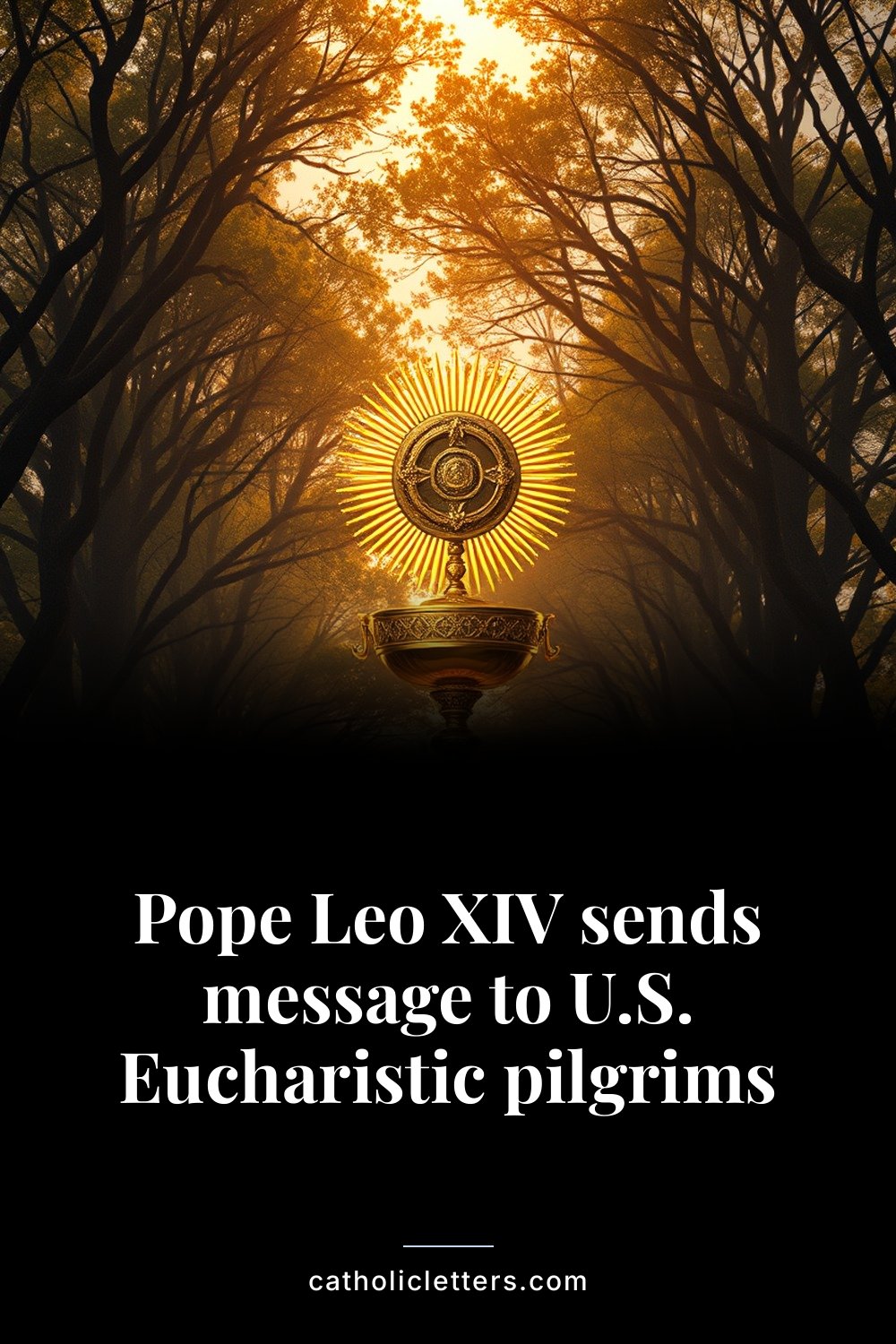
Pope Leo XIV is sending a personal message to young-adult pilgrims who spent weeks carrying the Blessed Sacrament across much of the original thirteen American colonies. The full details are in Aleteia’s reporting. This marks the Pope’s first major engagement with a U.S. devotional movement since his election in May 2025, and it comes during the 250th anniversary year of American independence.
What happened
The 2026 National Eucharistic Pilgrimage sent groups of young adults on foot through the Eastern United States, processing with the monstrance through towns and parishes. The pilgrimage retraced routes through most of the original thirteen colonies. Pope Leo XIV, born Robert Francis Prevost in Chicago and the first American to hold the papacy, prepared a message for the pilgrims as their trek concludes.
The pilgrimage coincides with the United States Semiquincentennial, the 250th anniversary of the Declaration of Independence. You can read the full report at Aleteia.
Why this matters
Eucharistic processions have grown more common in the United States over the past decade, especially among young Catholics. This pilgrimage frames Eucharistic devotion within American history, linking reverence for the Real Presence to the founding era when Catholics were a persecuted minority in most colonies. The papal message carries added weight because Pope Leo XIV is himself American, the first Pope who grew up in the country the pilgrims walked through.
The timing also underscores a longer trend: the U.S. Church has shifted resources toward public witness and Eucharistic reverence after decades of emphasizing social justice and parish administration. This pilgrimage is one visible result.
For Catholic readers
If you live near where the pilgrimage passed, consider visiting the parishes that hosted Eucharistic adoration during the trek. Many have continued regular adoration hours. Pray for the pilgrims who gave weeks of their lives to this act of witness, and for a deeper Eucharistic faith across the American Church.
Sources:
1. Aleteia — original report