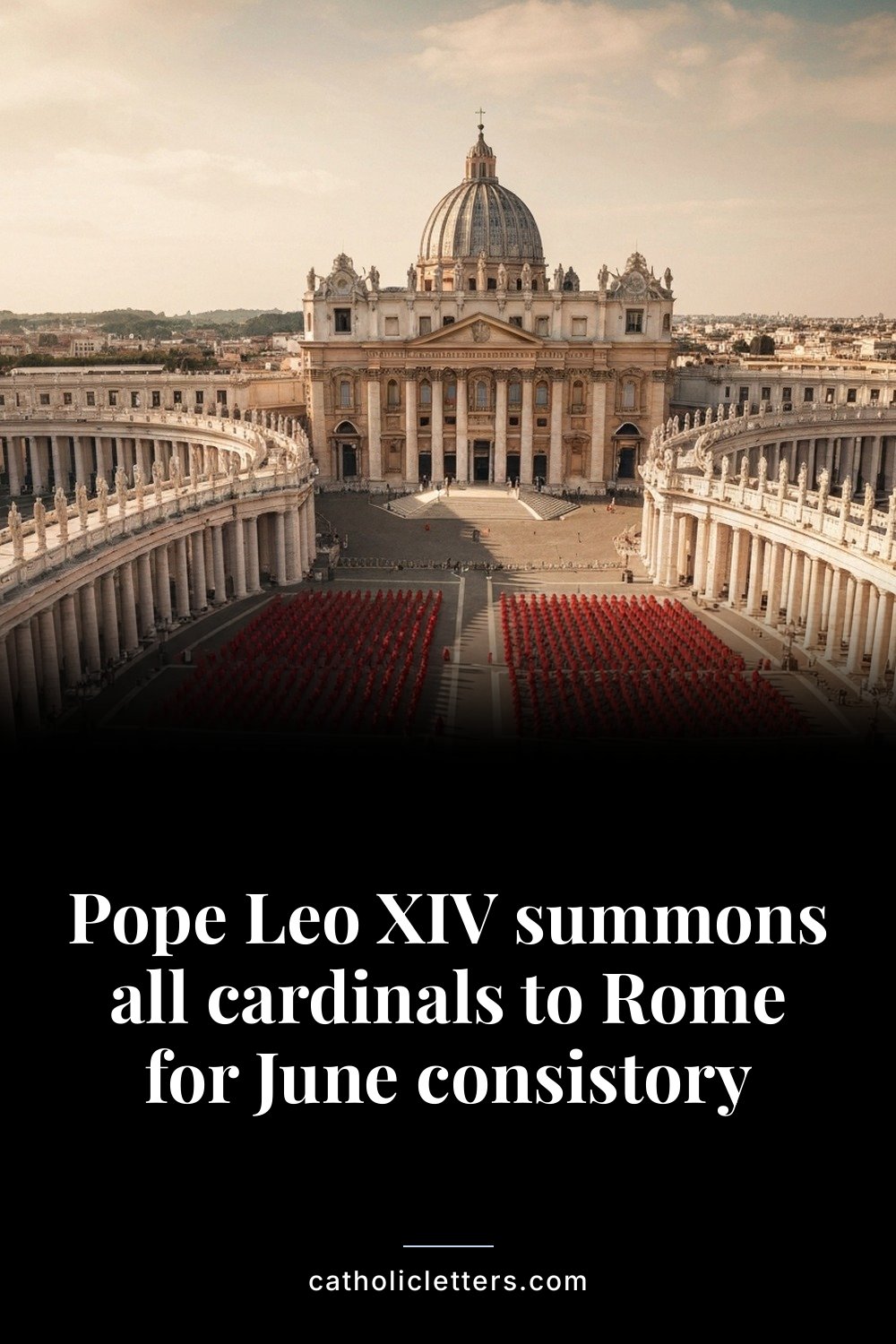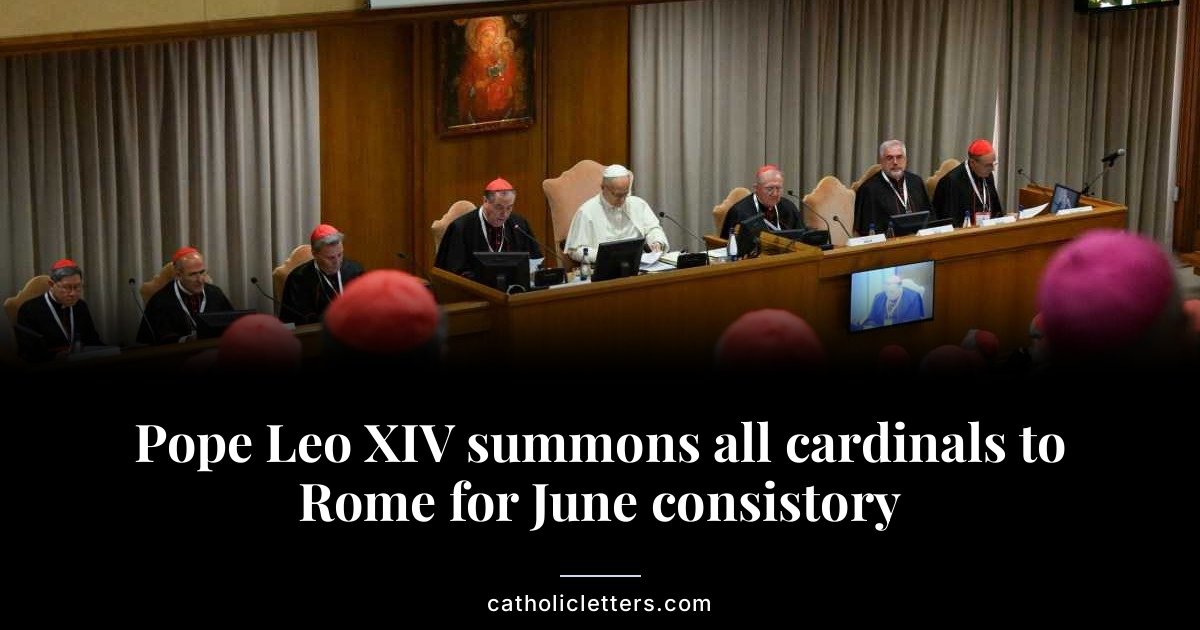
Pope Leo XIV has summoned all 241 cardinals to Rome for a two-day consistory on June 26 and 27. This is the second time the American-born Pope has called the full College of Cardinals together since his election in May 2025. The Vatican released the detailed schedule on June 22. Aleteia reports that both cardinal electors (those under 80 who can vote in a papal conclave) and non-electors are expected to attend.
What happens at a consistory
A consistory is a formal meeting of the College of Cardinals convened by the Pope. Consistories serve different purposes. Some are held to create new cardinals (elevating bishops to the College). Others, like this one, are working sessions where the Pope consults the cardinals on matters affecting the universal Church.
The Vatican has not yet released the full agenda for the June 26-27 meetings. Past consistories under recent popes have addressed topics ranging from financial reform to the Church’s presence in Asia and Africa. Cardinals typically gather in Vatican audience halls for plenary sessions, with the Pope presiding.
For those unfamiliar with Vatican protocol, the “red skullcaps” referenced in early reports are the distinctive zucchettos worn by cardinals. They are a visible sign of the cardinals’ rank when processing through Rome.
Why this matters
This is Pope Leo XIV’s second consistory in just over a year. His first, held in October 2025, focused on implementing reforms begun under Pope Francis. Calling the full College together again this quickly signals the new Pope’s intention to govern through regular consultation with his senior advisors.
The College of Cardinals has grown significantly in recent decades. With 241 members, it is now larger and more geographically diverse than at any time in Church history. Regular consistories allow the Pope to hear perspectives from every continent and to build consensus on major decisions before they are announced.
For Catholic readers
Pray for Pope Leo XIV and the cardinals as they gather this week. Their work affects the life of the Church in every diocese. You can follow the Vatican’s official coverage at vatican.va for statements or documents that may emerge from the consistory.
Sources:
1. Aleteia — original report